

SNAKEBITE FIELD GUIDE – COSTA RICA
1. DANGEROUS SNAKES TO KNOW 4. WHAT NOT TO DO
- Pit Vipers (Viperidae) ❌ No tourniquets (cause tissue death).
- Crotalus simus (neotropical rattlesnake). • Bothriechis lateralis (eyelash viper).
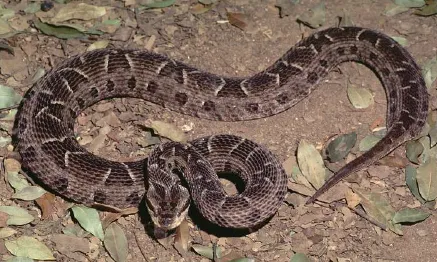
❌ No ice or cold packs. ❌ No alcohol or traditional plant/animal remedies. ❌ Do not waste time chasing or killing the snake (risk of • Bothrops asper (“terciopelo”): most bites in CR. ❌ No cutting or sucking the wound.
ID clues: large triangular head, slit pupil, heat-sensing pit between second bite).
eye and nostril, rough dull scales, tail often distinct.
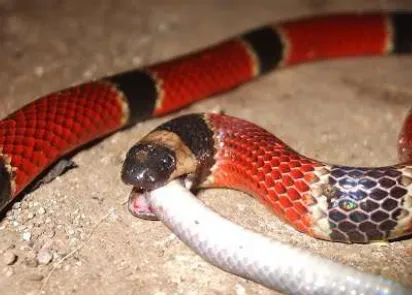
- Coral Snakes (Elapidae) 5. HOSPITAL TREATMENT
- Micrurus species.
Immediatly go to Clínica CCSS Orotina! If possible take a
ID clues: red–yellow–black banding (“red touching yellow can kill a picture of snake or remember how it looks like.
fellow”). Small, fixed fangs. Usually shy but highly venomous.
- Viper bite → polyvalent antivenom.
- Coral bite → specific anticoral antivenom.
- Supportive care: IV fluids, pain relief, monitoring for shock, 2. NON-VENOMOUS COMMON SNAKES infection control.
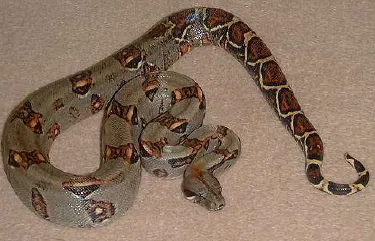
ID clues:
round pupils, head blends into body, shiny smooth scales, no pits, no fangs.
6. PREVENTION TIPS FOR COMMUNITY
- Wear boots and long pants in fields.
- Boas, rat snakes, vine snakes, blind snakes.
- Use headlamp/flashlight at night.
- Don’t put hands/feet in holes, under logs, or into tall grass 3. FIRST AID (WHAT TO DO IMMEDIATLY) without looking.
- Keep grass short around homes.
✅ Stay calm and keep the victim calm. • Store firewood away from living areas.
- Teach children to look, don’t touch.✅ Call for transport to hospital immediately.
✅ Immobilize the bitten limb with a splint, keep it below heart level. • Workers should know where the nearest hospital/clinic with✅ Remove rings, watches, or tight clothing near the bite (swelling will suero antiofídico is.
occur).
✅ Keep the person lying down, well-hydrated, and as still as possible.
✅ Get to hospital (25 min for you = excellent). Antivenom is the ONLY
effective treatment.
Written by neighbors in the community guide. Last edited March 30, 2026.